



 Swell
Swell
 Wind
Wind




How to Dive Cabbage Tree Bay (Shelly Beach)
Overview
Shelly Beach lies within Cabbage Tree Bay Aquatic Reserve in Manly, a protected marine sanctuary where fishing and collecting are prohibited. As a result, marine life here is abundant and unusually comfortable around divers, making it one of Sydney’s most reliable and accessible shore dives. The beach faces west, which naturally shields the bay from prevailing swell and keeps conditions comparatively calm year-round.
The dive is shallow and varied, consisting of sandy channels, kelp beds, boulder reef and small ledges that gradually slope away from the shoreline. Depth increases slowly, allowing long relaxed dives suitable for beginners, training dives, while still offering plenty of interest for experienced divers.
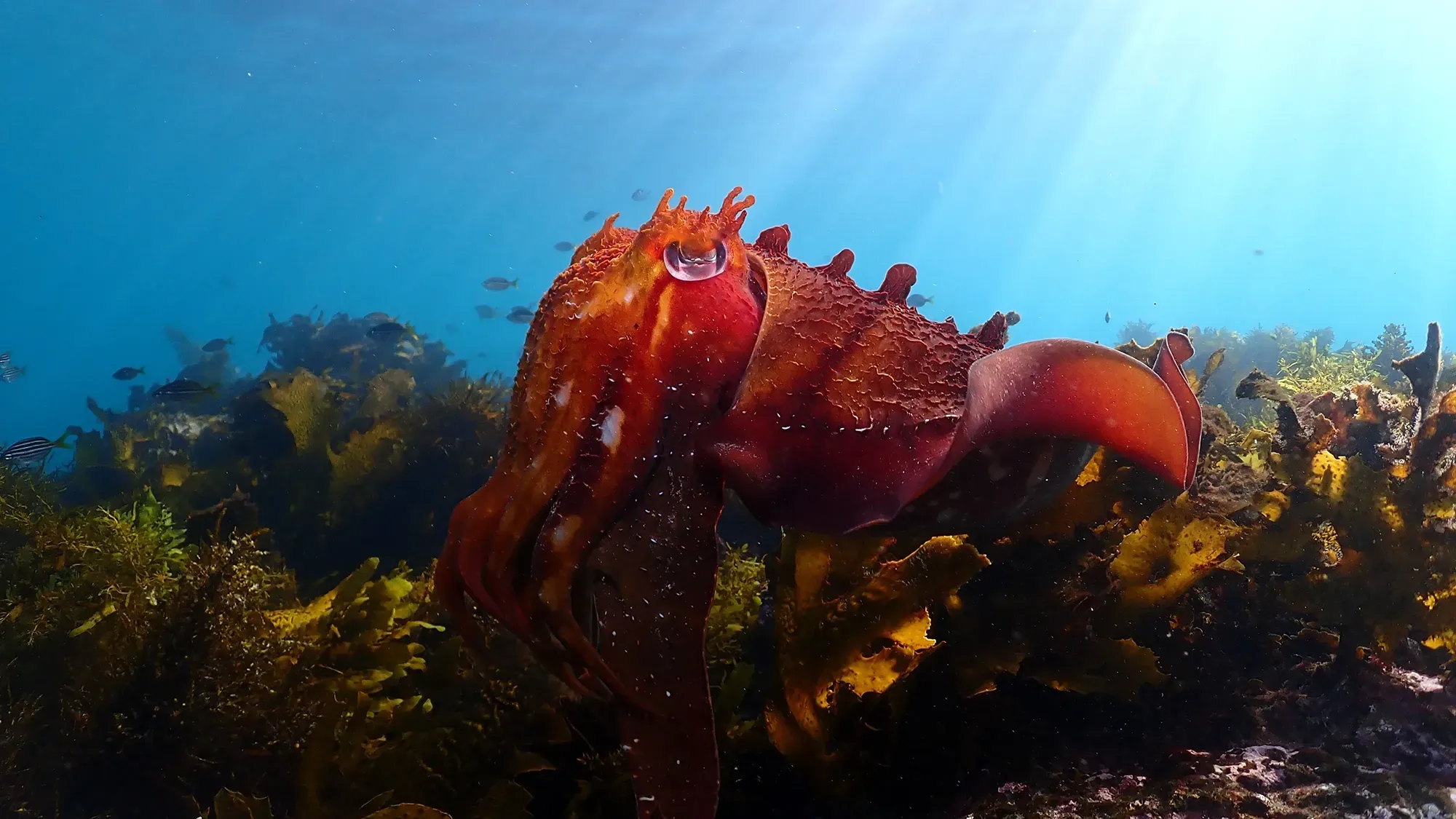
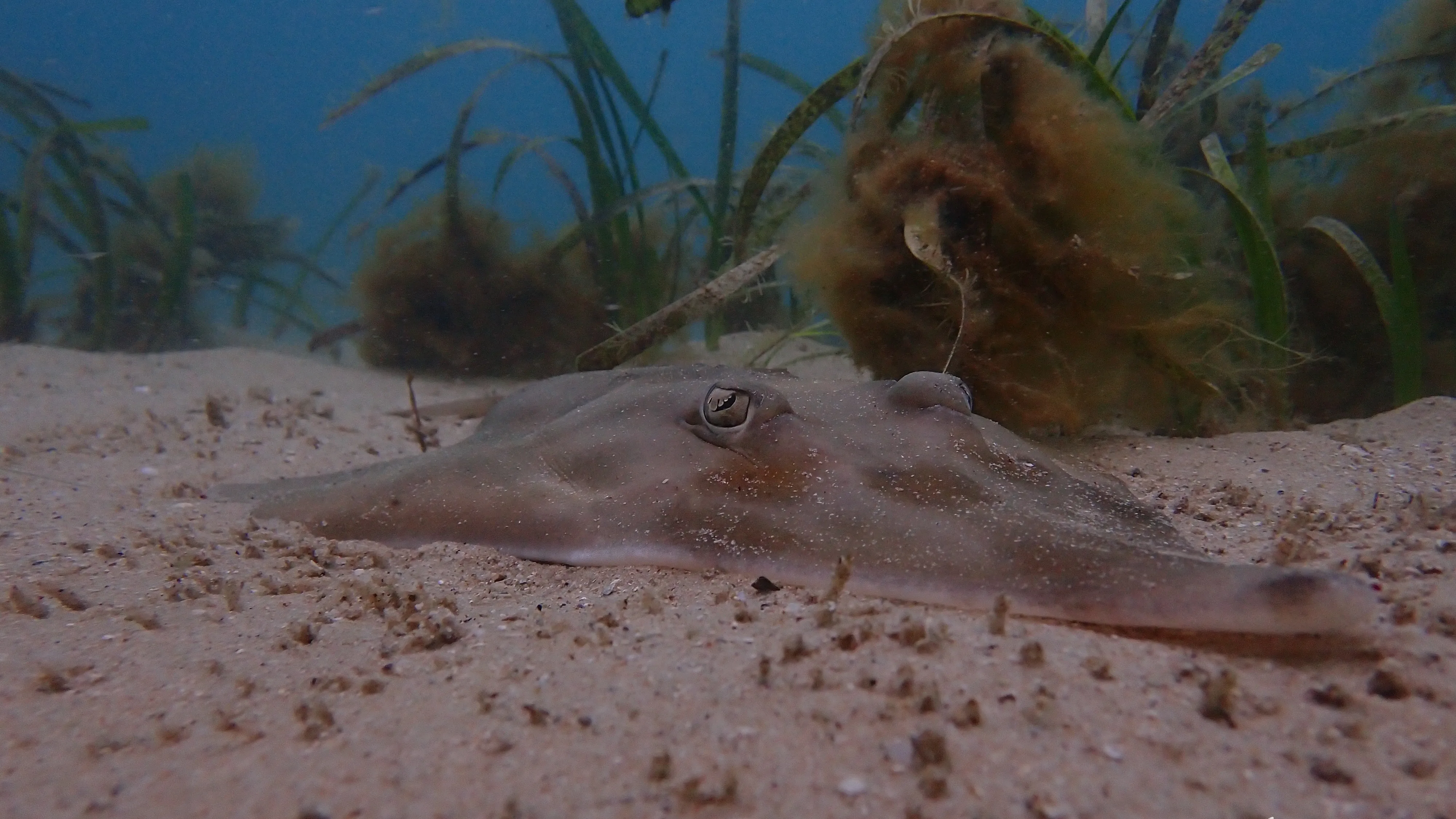
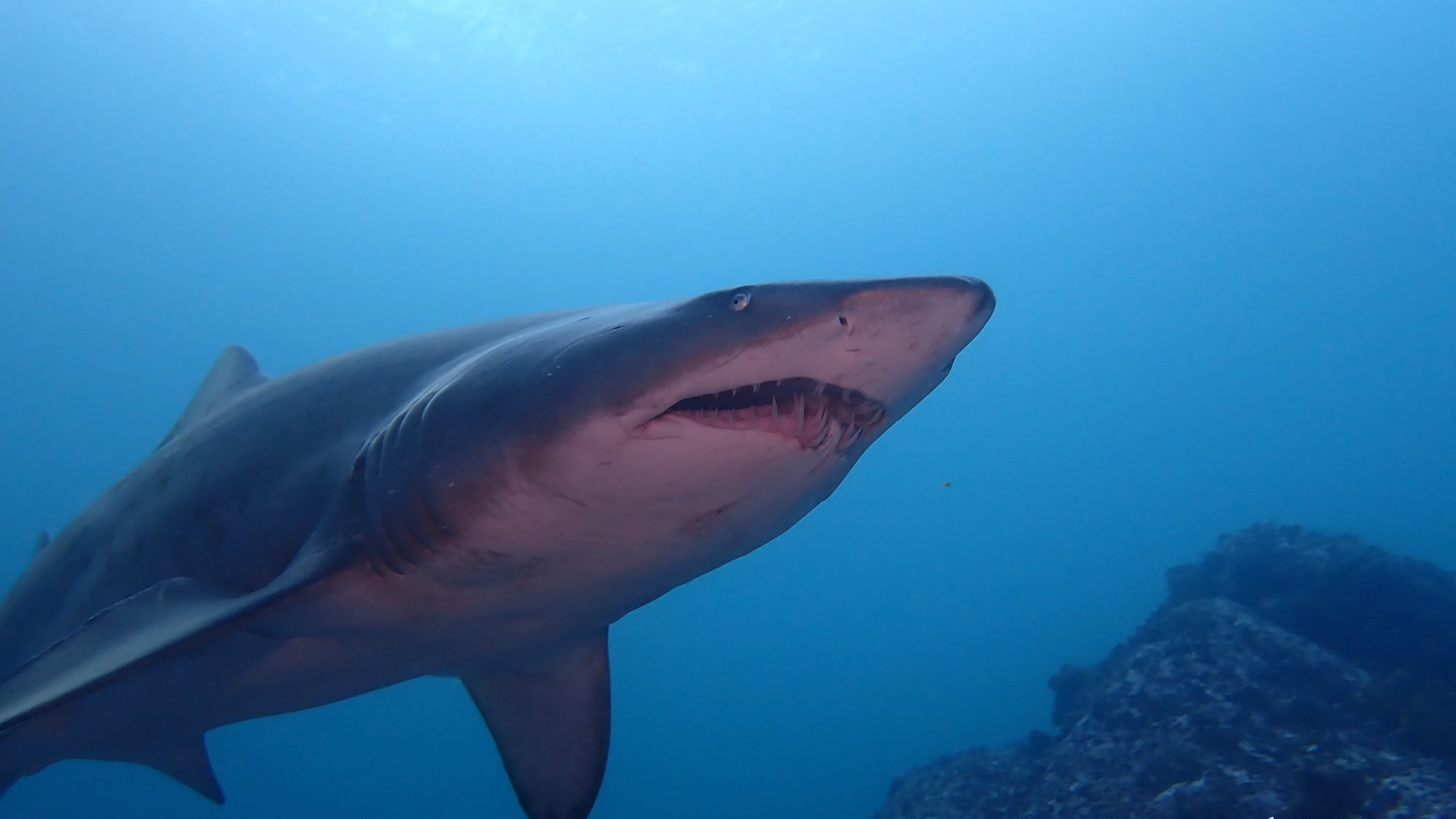
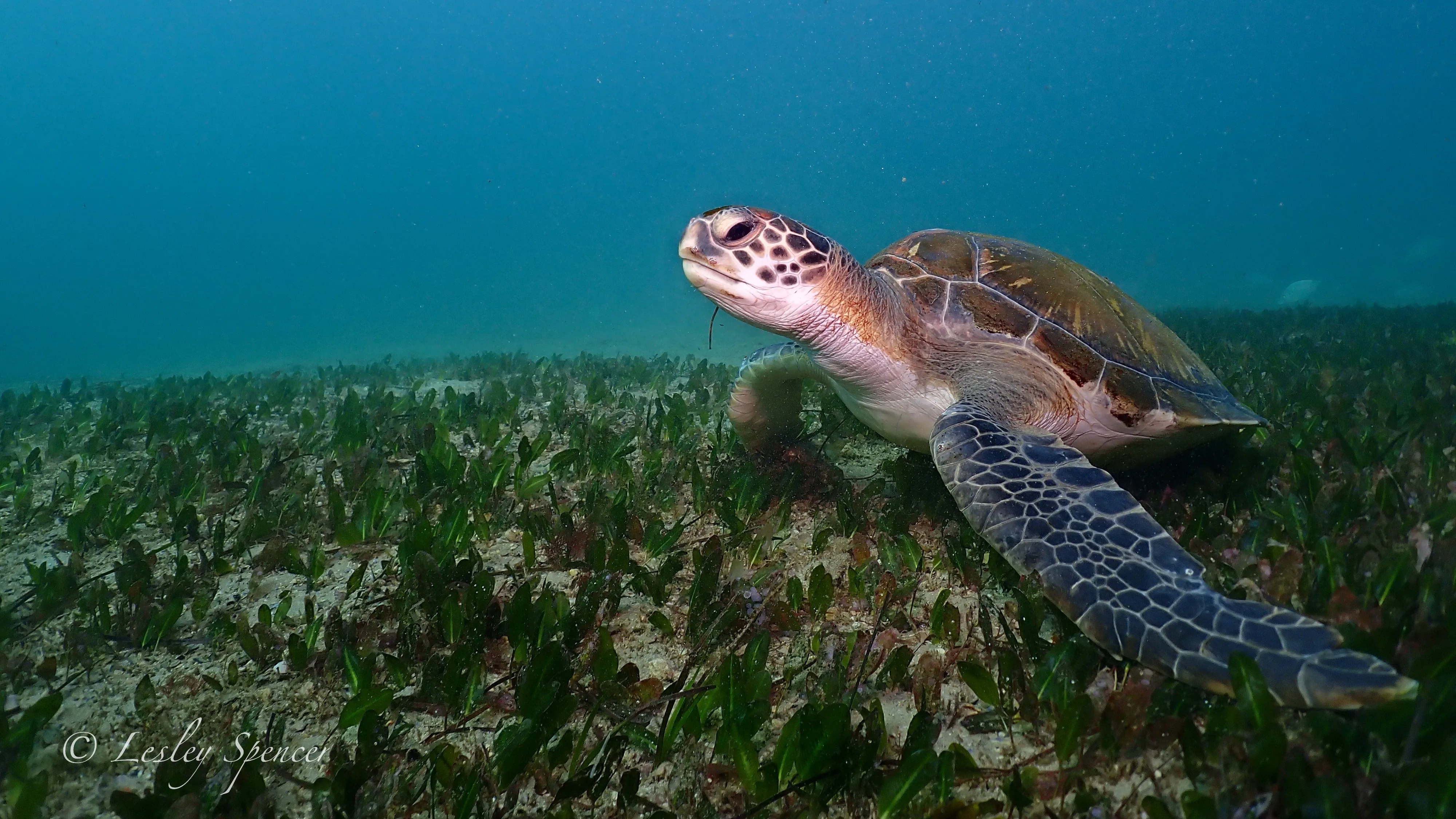
Shelly is best known for its wildlife encounters. Blue gropers patrol the reef and often approach divers, while wobbegongs, Port Jackson sharks and rays rest along the sand and under ledges. Weedy seadragons inhabit the kelp areas, and octopus and cuttlefish are commonly seen throughout the bay. Schools of temperate reef fish fill the water column, and during cooler months larger pelagic visitors occasionally pass through the reserve.
Overall, the site is less about depth and more about biodiversity — a relaxed exploration dive where moving slowly and observing closely consistently rewards divers.
Entry & Exit
- • The standard entry is directly from the sand at Shelly Beach. Walk in with fins off, then surface-swim a short distance before descending to avoid stirring up silt in the shallows. Conditions are typically calm, making it suitable for all levels.
- • An alternate entry exists via the Bower stairs on the southern side, but this involves rocks and surge and is generally only recommended in very calm conditions and for experienced divers.
- • Use the boat ramp on the left side of the beach to avoid walking across the sand.
Parking
- • Parking is available in the Shelly Beach car park directly above the dive site, providing the closest access for gearing up. Spaces fill quickly on weekends, public holidays and warm afternoons, so early morning or late afternoon arrivals are most reliable.
- • Overflow parking can usually be found around Manly and along the road leading to the beach, though this involves a short walk with gear. Benches, showers and bathrooms near the beachfront make preparation and post-dive pack-down straightforward.
Hazards
- ⚠ Boat traffic occasionally crosses the centre of the bay, and the area is popular with swimmers and snorkellers, so maintaining awareness is key.
- ⚠ Surge can occur around the Bower entry and along exposed rock edges, and algae-covered rocks are slippery when entering or exiting the water. Westerly winds generally flatten the bay but can create surface chop further offshore.
- ⚠ Marine life is typically non-aggressive, however wobbegongs and Port Jackson sharks rest on the sand and under ledges — avoid placing hands where you cannot see.
Pro Tip
Take the dive slowly and follow the sand–reef edge where most marine life gathers rather than swimming straight out. Conditions and visibility improve significantly after a few calm days, and early morning dives usually mean fewer crowds and more curious fish encounters. The site rewards long shallow dives, with night dives offering excellent chances to see Port Jackson sharks and hunting octopus. Stay calm around blue gropers as they often approach divers, and for photography aim toward the shoreline for better contrast against the lighter sand background.